How to Understand and Heal from Stillbirth Guilt (116)
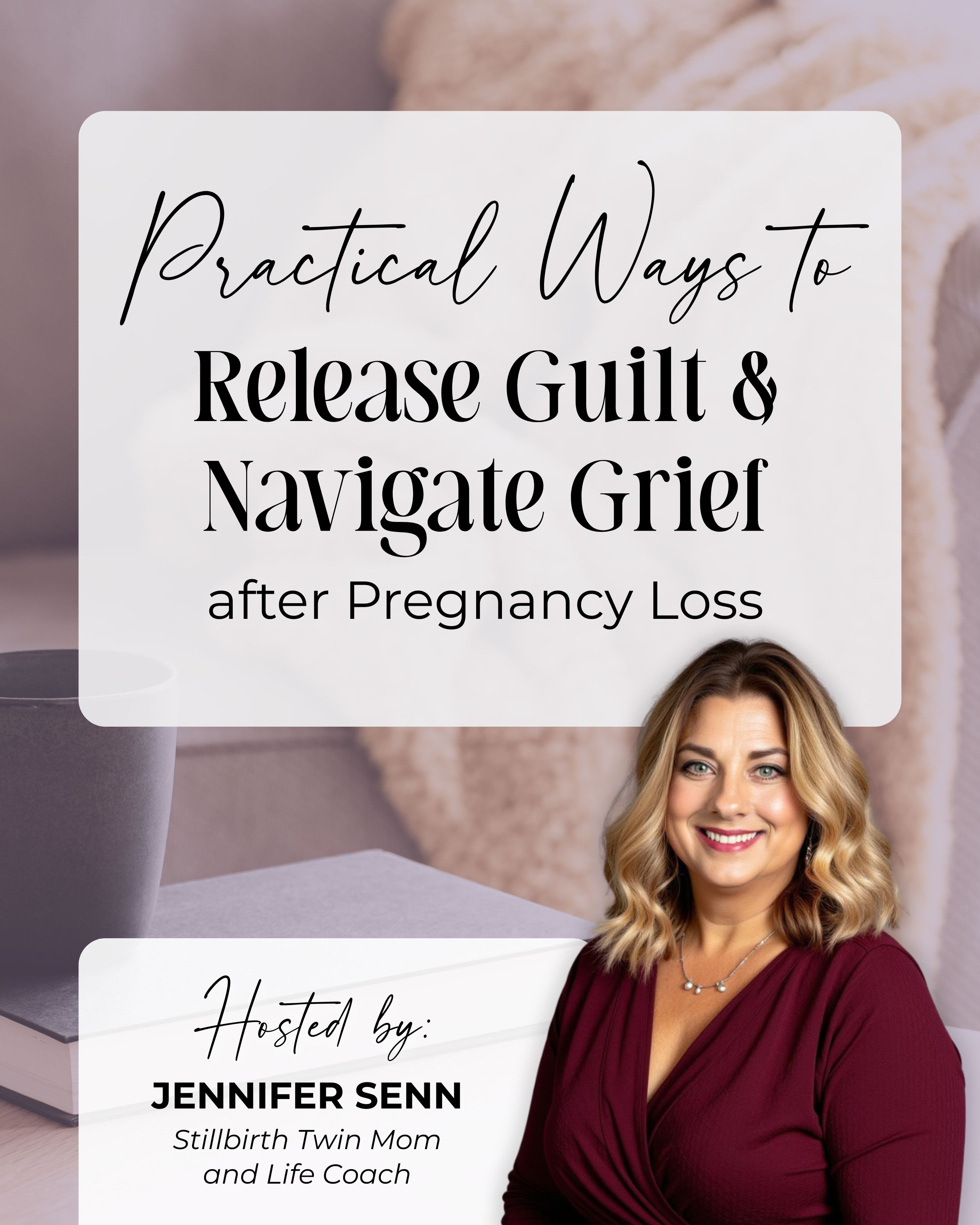
Have you ever felt guilty but couldn't explain why? That weight sitting behind your ribs, making your shoulders heavy like you're carrying something invisible? If you've experienced stillbirth, you know this feeling intimately. Today, we're breaking the silence around one of the most misunderstood aspects of baby loss: stillbirth guilt.
The Silent Weight of Stillbirth Guilt
Stillbirth guilt isn't like ordinary guilt. It's not about forgetting an appointment or saying something you shouldn't have. This is the kind of guilt that settles into your bones and whispers phrases you'd never say aloud: "My body failed," "I should have known something was wrong," or "If I had done this one thing differently, maybe my baby would still be here."
This guilt shows up when you look in the mirror, when you hear about someone else's healthy baby, or in those quiet moments when your mind becomes a detective, analyzing every doctor's appointment, every piece of food you ate, every decision you made.
Understanding the Unique Nature of Stillbirth Guilt
Why Stillbirth Guilt Is Different
When you lose a baby to stillbirth, you didn't just lose your child – you carried them, felt them move, planned their nursery, and imagined their first smile. You had a connection unlike any other person. When something goes terribly wrong, your mind doesn't gently say, "This was a tragedy that happened to you." Instead, it screams, "This was your fault. You were supposed to protect them, and you didn't."
The Detective Mind
Many mothers describe their brain becoming like a detective after stillbirth, analyzing every moment:
Every doctor's appointment
Every ounce of food consumed
Every time they lifted something
Every night they woke up on their back instead of their side
You're not just grieving – you're prosecuting yourself, saying things to yourself in the mirror that you would never say to another human being.
The Science Behind Stillbirth Guilt: Logical vs. Emotional Guilt
Understanding the difference between these two types of guilt can be life-changing:
Logical Guilt
Occurs when you do something wrong and feel bad about it
The guilt matches the action
Usually motivates you to do better next time
Examples: lying to a friend, breaking a promise
Emotional Guilt
Happens when something horrible occurs and your brain assigns blame to yourself
You did nothing wrong, but feel responsible anyway
Your mind's attempt to make sense of something senseless
Creates an illusion of control: "If it was my fault, I can prevent it next time"
Stillbirth guilt is emotional guilt – your brain's desperate attempt to create order out of chaos and regain control in an unpredictable world.
Common Types of Stillbirth Guilt
The "What If" Guilt
"What if I had gone to the doctor one day sooner?"
"What if I hadn't taken that business trip?"
"What if I had pushed for more tests?"
"What if I had rested more or exercised less?"
The "I Should Have Known" Guilt
"Why didn't I feel that something was wrong?"
"Other moms talk about instincts – where were mine?"
"I should have seen a specialist"
"I should have trusted my gut when things felt off"
The Body Betrayal Guilt
"My body failed at the one thing it was supposed to do"
"I couldn't keep my baby safe"
"Other women with unhealthy habits have healthy babies – why couldn't I?"
The Lifestyle Guilt
"Maybe I worked too much"
"Maybe I was under too much stress"
"That glass of wine before I knew I was pregnant"
"Maybe I shouldn't have lifted that box"
The Survivor's Guilt
Feeling guilty for laughing at a joke
Shame for having a good day
Guilt for feeling excited about anything
Believing that moving forward means moving away from your baby
The Hidden Costs of Unprocessed Guilt
When stillbirth guilt goes unaddressed, it spreads like cancer, affecting every aspect of your life:
Relationships
Difficulty being intimate when you hate your body
Struggling to believe you deserve love when you feel like you've failed
Seeing every baby as a reminder of what your body "couldn't do"
Self-Trust
Second-guessing every decision
Living in constant fear
Trying to control everything to prevent bad things from happening
Future Pregnancies
Terror of your body "failing" again
Difficulty bonding with future babies due to fear
Some mothers avoid pregnancy altogether
Practical Steps to Heal from Stillbirth Guilt
1. Name It Out Loud
Start by saying: "I am feeling guilty because..." Sometimes hearing it aloud helps you realize how unfounded the guilt really is. Then counteract it:
"I feel guilty that I didn't know something was wrong" → "I did the best I could with the information I had"
"I feel guilty that my body couldn't keep my baby safe" → "My body did everything it could"
2. Question the Guilt
Ask yourself:
Is this really my fault?
Is there any proof that I caused this?
Would I say this to another mom who lost her baby the same way?
Would I tell another woman that her body failed her?
3. Practice Self-Compassion
Instead of blaming your body, try thanking it:
"Thank you for carrying my baby as long as you could"
"Thank you for doing what you could to get them as far as you did"
"I'm learning to trust you again"
4. Create Rituals of Connection, Not Punishment
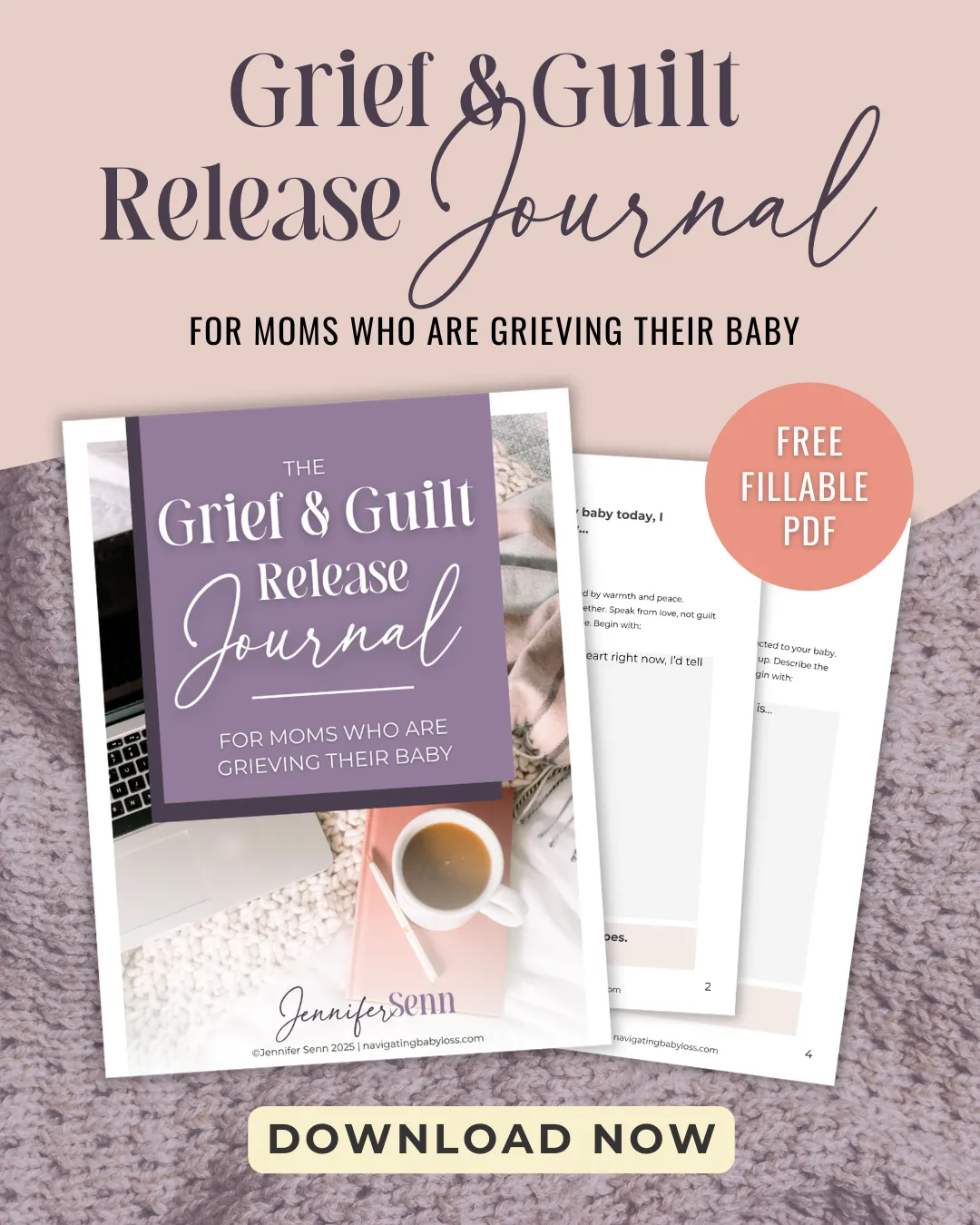
Write letters to your baby about how much you love them
Say their name out loud
Find ways to honor their memory that bring peace, not pain
Moving Forward: Honoring Without Suffering
Your baby doesn't need you to suffer. Suffering doesn't honor them – living does. You can hold grief and joy simultaneously. You can miss your baby while still finding moments of peace and happiness.
Moving forward with your life is never moving away from your baby. You carry them with you always, and that's the blessing.
Finding Support and Community
Stillbirth guilt thrives in isolation and silence. You don't have to carry this weight alone. Consider:
Joining support groups for mothers who've experienced stillbirth
Working with a counselor who specializes in perinatal loss
Connecting with other mothers who understand this unique journey
Final Thoughts: From Guilt to Grace
Healing from stillbirth guilt isn't about forgetting your baby or pretending the loss didn't happen. It's about learning to carry their memory with love instead of blame, honor instead of punishment, and grace instead of guilt.
You were meant to be your baby's mother. You are your baby's mother. The fact that their life was shorter than planned doesn't change that truth or make you any less of a mother.
Be gentle with yourself today. You deserve the same compassion you would offer a friend walking this difficult path.