When IVF Doesn’t Work: Grieving the Loss of Hope (119)
“I kind of felt like I was six months pregnant.”
That’s what Sarah Osborne said when she shared the story of the baby she never got to hold.
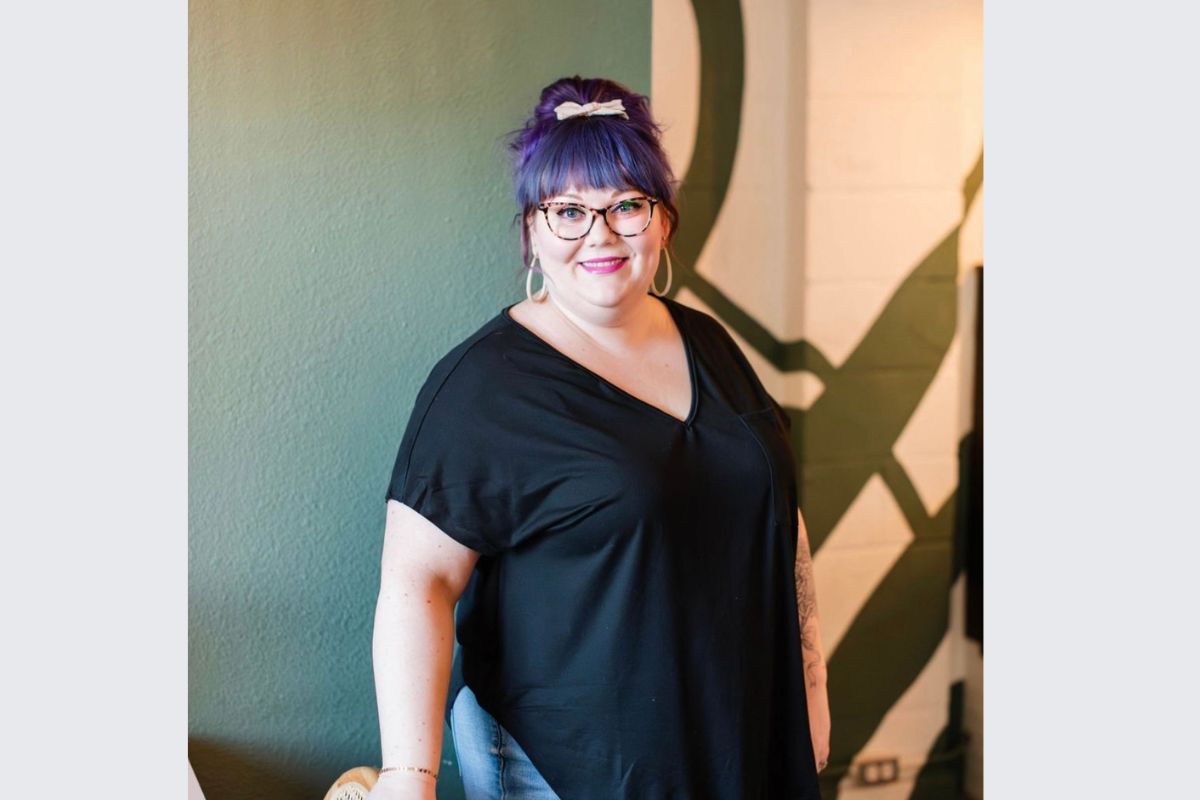
Sarah is a birth doula. She’s supported parents through labor, birth, and even loss for over 17 years. But her own experience with reproductive grief came in a way she never expected—through a failed IVF cycle with a single embryo. And though she had three living children, nothing could have prepared her for the heartbreak of the one who didn’t stay.
When most people hear “doula,” they picture a woman standing at a birth, offering encouragement, calm, and steady support. That’s who Sarah Osborne has been for nearly two decades. She’s walked alongside hundreds of births and seen the beauty and heartbreak that can come with them.
But when Sarah found herself on the other side of loss—not as a doula, but as a mother hoping for a baby who never came—everything changed.
This is a story about IVF, the hope for “just one more,” and what it’s like when your very last embryo doesn’t make it.
It Started With a Quiet Nudge
Sarah had three children, all born without complications. She and her husband started young and felt confident their family was complete. He had a vasectomy. They were raising teenagers. Life had moved on.
Then, one day—seemingly out of nowhere—she felt it. A pull. A thought she hadn’t had in years:
“I think I need another baby.”
It didn’t pass. The feeling stuck around. Long enough that she couldn’t ignore it. When she brought it up with her husband, he didn’t dismiss her. Instead, they started considering what it would actually take to try again.
The IVF Journey They Didn’t Expect
The path was far from easy. Sarah and her husband had to travel out of state for a vasectomy reversal during COVID. After an initial glimmer of hope, follow-up tests showed the reversal hadn’t held.
The only option left was IVF. It was expensive and emotionally draining. But they kept going.
Sarah, who had always conceived easily, faced a new reality—her age meant her body wasn’t responding the way it used to. After two egg retrievals, they had four eggs. Three fertilized. Only one made it to day five.
One embryo.
One chance.
Waiting and Hoping
They found out it was a girl.
They froze the embryo and waited for Sarah’s hormone levels to settle. It took six months—far longer than expected. All the while, they were making space in their hearts and their lives for a child who felt very real.
They picked out names. They imagined who she would be.
When the day came for the embryo transfer, everything looked perfect. The embryo was healthy. The doctors were confident. They were told, “You’re pregnant until proven otherwise.”
But two weeks later, the blood test showed no pregnancy.
It hadn’t worked.
Mourning a Baby the World Never Saw
There’s no funeral for a failed IVF transfer. No memory box. No official moment when the world stops and acknowledges that a child is missing.
But to Sarah, that baby was real.
She had existed in their minds and in their hearts for more than a year. They had invested time, hope, and resources into preparing for her. In many ways, it felt like the loss of a baby halfway through pregnancy. Just without the physical markers people recognize.
“We had a name. We bought clothes. I had symptoms. It felt real. And then it was gone.”
That loss doesn’t always get acknowledged. But it leaves a mark.
Doing Birth Work While Grieving a Birth That Never Happened
Being a doula while walking through that kind of loss added another layer to Sarah’s grief. She was surrounded by birth—by babies, by women getting the very thing she had just lost.
She supported clients who had gone through IVF with success.
She witnessed families welcome babies after vasectomy reversals.
And she showed up for every birth with professionalism and compassion. But when she went home, she carried the weight of what could have been.
At one point, she considered stepping away from birth work. The emotional toll was high. But with encouragement from her husband and the support of her doula partners, she kept going.
“There were moments when I didn’t think I could keep doing this. But I also knew I still had something to offer.”
Loss Comes in Many Forms
Sarah’s story is important because it represents a kind of loss that’s often dismissed or misunderstood.
This wasn’t a miscarriage. It wasn’t a stillbirth. There was no delivery. But there was still grief. Real, painful, and lasting.
It’s a reminder that reproductive loss doesn’t always come with a clear timeline or visible event. Sometimes it’s a phone call after years of trying. A number on a lab report. A “no” when you’ve already built a life in your mind.
And for those who’ve walked this road, the pain isn’t any less valid.
What Helped—and What Didn’t
Sarah says one of the hardest parts of the experience was how invisible it felt.
Most people didn’t know what to say. Others didn’t know she was trying at all.
She found comfort in a few close friends who understood, and in sharing her story when she was ready. Not everyone knew how to respond, but the act of saying it out loud helped.
As a doula, she also knew what support could look like—when it’s done well. And that became part of her mission moving forward: to help other women who go through losses like hers feel seen and supported, whether they have a full-term stillbirth or a single embryo that never had the chance to grow.
For the Women Who’ve Been Here Too
If your story looks anything like Sarah’s—if you’ve walked through months or years of trying, put everything into one chance, and still ended up with nothing—you’re not alone.
Even if the world doesn’t recognize your loss, that doesn’t make it any less real.
You may not have pictures or a due date to mark. But you had love. You had hope. And you still carry that baby in your heart.
That matters.
Final Thoughts
Sarah and her husband chose not to pursue more IVF. They made peace with that choice. But it doesn’t mean the ache disappears.
It just means they had to decide when enough was enough.
And for those who are still in the middle of that journey—trying, waiting, grieving—it’s okay to feel angry, tired, hopeful, and heartbroken all at the same time.
This kind of loss doesn’t fit in a box. But it still deserves to be honored.
Find Sarah at: https://www.instagram.com/theexpertdoula
Birth Collective PNW: https://www.instagram.com/thebirthcollectivepnw
For more support, register for my FREE workshop Here