Lactation After Loss: An Interview with Maureen Farrell (43)
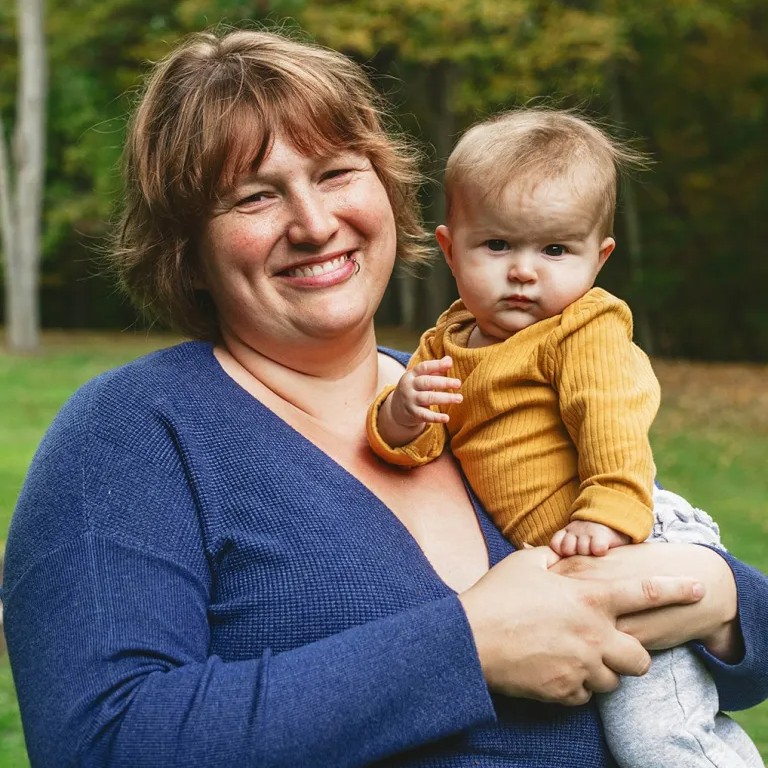
Today, we're speaking with Maureen Farrell, a lactation counselor, doula, herbalist, and homebirth midwife. Maureen shares her expertise on lactation after pregnancy loss, a topic often overlooked but crucial for many grieving mothers.
Maureen's Background:
Maureen's journey into lactation support began unexpectedly through wilderness medicine and herbalism. Her experiences with home births in a healthcare desert and the lack of lactation support led her to become a lactation counselor, doula, and midwife.
Lactation After Loss:
What's Normal?
Maureen explains that anyone who has a birth after 16 weeks gestation could potentially lactate. The process typically begins with colostrum production, followed by mature milk coming in after the delivery of the placenta. Symptoms may include breast warmth, fullness, leaking, tingling, burning, or general pain.
What's Not Normal?
The main concern to watch for is mastitis, a breast infection. Symptoms include severe swelling, redness, pain, fever, and body aches. If these symptoms persist for more than 24 hours despite home treatment, medical attention may be necessary.
Managing Lactation After Loss:
For those who choose to stop lactation, Maureen recommends:
Wearing a firm but not tight bra
Avoiding breast stimulation
Using cold compresses (cabbage leaves work well)
Taking pain relievers and anti-inflammatories as needed
Expressing milk only for comfort
Considering pseudoephedrine to reduce milk supply
Timeline for Ceasing Lactation:
Most people should feel improvement within a week, with minimal milk production by the end of the first month. If discomfort persists beyond two weeks, consulting a healthcare provider is advisable.
Choosing to Continue Lactation for Donation:
Some parents choose to continue lactating and donate their milk as a way to honor their baby's memory. This can provide structure to the grieving process and help others in need.
Donation Options:
Milk Banks: Organizations like the Human Milk Banking Association of North America (HMBANA) connect donors with accredited milk banks.
Community Donation: Direct donation to individuals in need, often facilitated through social media groups.
Relactation:
It is possible to restart lactation even after stopping, though it requires commitment and may benefit from professional support.
A Unique Way to Remember:
Maureen suggests that even if a mother chooses not to continue lactating, she can express a small amount of milk for keepsake items like breast milk jewelry.
Lactation after loss is a deeply personal experience. Whether choosing to cease lactation or donate milk, support and information are available to help mothers navigate this challenging time.
About Maureen Farrell: Maureen Farrell is a lactation counselor, doula, herbalist, and homebirth midwife practicing in rural West Virginia. She co-founded the Milk Minute Podcast in 2020 to provide evidence-based breastfeeding information. Maureen lives on a small hobby farm with her family and various friendly critters.
For more information, visit: https://www.milkminutepodcast.com/