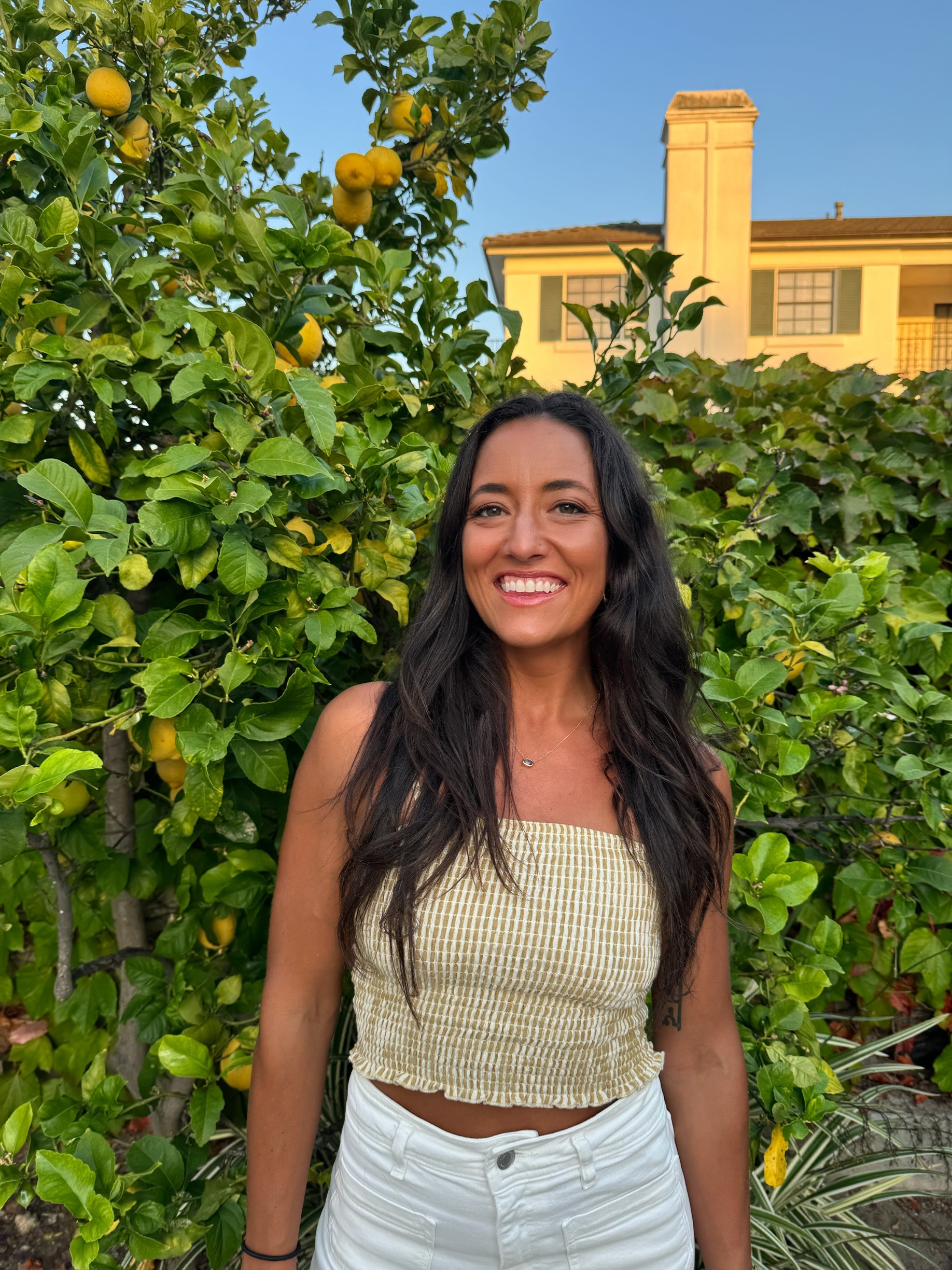
Learning to Feel at Home in Your Body After Loss (147)
If you feel like your body betrayed you after stillbirth, you're not alone, and you're not broken. Grief often shows up in the body as weight changes, tension, exhaustion, or a wish to disconnect from it altogether. Making peace with your body starts with small acts of care, not punishment, and it never requires forgetting your baby.
I want to start with something I don't say out loud very often.
After my twin daughters were stillborn at 32 weeks, I hated my body. I couldn't stand to look at it. It had one job, I thought, and it didn't do it. So I punished it in the only way I knew how. I'm not a smoker and I'm not a big drinker, so food became my comfort. I put on the weight, and the weight became one more piece of evidence that I had failed.
If you're reading this with a lump in your throat, I'm right there with you. I know that feeling of looking in the mirror and not recognizing the woman looking back.
On this week's episode of the podcast I talked with Francesca Bongiovanni, an ocean lifeguard and health coach who lost her first baby to stillbirth and a second baby at 20 weeks. When I found her on social media, I remember thinking, "That was me." Her story gave words to something so many of us live with quietly, and I want to share some of what I've learned from her, and from my own years since losing my girls.
Why does it feel like my body betrayed me after stillbirth?
It feels that way because the place where you held your baby is also the place where you lost them. Your mind looks for someone to blame, and your body is the closest target.
Our culture doesn't help. When a grandparent dies after a long life, people expect it. There's a script for that kind of grief. But nobody expects a baby to die. We're taught that the doctors will take care of everything and that you'll go home with a baby in your arms. So when that doesn't happen, the support isn't there, and many of us turn the pain inward.
That's where the guilt moves in. "My body is broken." "I did something wrong." "I should have done something differently." Those thoughts don't stay in your head. They show up in how you treat yourself, how you feed yourself, and whether you can stand to see your own reflection.
Francesca said something that stuck with me: the body is the one expressing what the mind is trying to suppress. She was eating whole foods, getting her steps in, going to therapy, journaling, and doing breathwork. On paper she was doing everything right. And she was still gaining weight. All that work was happening in her head, but her body was still holding on to the experience.
Can extra weight after loss feel like protection?
For a lot of us, yes. Extra weight can become a kind of armor, a way to show the world (and yourself) that you're hurting before anyone has to say it.
After a stillbirth, the questions come from everywhere. What happened? What did the doctor say? Was there a reason? Francesca described the weight as something that protected her from all those questions and judgments.
I knew exactly what she meant. For me it was almost a way of getting there first. If my body already looked the way I felt, nobody had to tell me I was damaged. I already knew. I'd already decided my body was broken, so no one else needed to confirm it.
If that sounds familiar, I want you to hear this. That voice isn't telling you the truth. It's guilt dressed up as honesty. Your body didn't fail your baby, and you don't have to keep proving to yourself that it did.
How do you stop shielding yourself from other people's joy?
Francesca named something every loss mom knows. The baby shower invitation in the mailbox. The woman breastfeeding at the coffee shop. The pregnancy announcement you scroll past as fast as you can.
She didn't want to spend the rest of her life hiding from those moments. So she asked herself a question I think is worth sitting with: how do I live in a world that keeps showing me what I want most, and still find a way to celebrate the women who have it?
For her, the answer started with figuring out what she could control and letting go of what she couldn't. She couldn't control the outcome of her birth. No one can. But she could control the food she put into her body, how she moved it, and how she spoke to herself.
I love that. Nobody is pretending the loss didn't matter. She simply decided her loss wouldn't be the only thing that gets a say in her life.
Does feeling better in your body mean you're forgetting your baby?
No. This is the fear I hear most from the moms I work with, and it's the one I want to answer most clearly. Feeling stronger, healthier, or more at home in your body doesn't erase your baby or the love you have for them.
Francesca said her weight didn't start to come off until she made a choice to make what happened part of her life. She didn't want to forget it, push it down, or never think about it again. She wanted to let it live inside the rest of her story. Once she stopped fighting it, her body stopped holding on so tightly.
That's what I believe too. You don't have to choose between your baby and your future. Your baby can be woven into your story and you can still wake up one day and feel good in your own skin. Those two things can live side by side.
What actually helped her body heal after loss?
Francesca didn't sign up for a diet plan. The first change was internal, the decision that she deserved to feel good again. After that, she made two practical changes: she ate more protein, and she started lifting weights.
She was honest about how scared she was to start. She thought she'd get bulky. Her brother, who works in health and wellness, wrote her a simple three-day, full-body plan and told her to just give it a try. For about a year she saw small changes, a pound here and there. It wasn't until she worked through the belief that her body was broken that all her effort started to pay off.
And this part matters for every loss mom: she did not slash her calories. Your body gives so much to your baby during pregnancy, and it needs to be fed and replenished afterward, whether you brought your baby home or not. Starving yourself is one more form of punishment. Francesca's approach was to stay nourished and stay patient.
I started lifting weights myself a couple of years ago, and it's changed how I feel in my body more than almost anything else I've tried. I feel strong. After years of feeling like my body was against me, that matters to me far more than how I look.
A quick note: Francesca and I are sharing our own experiences, not medical advice. Please talk with your doctor before making changes to how you eat or move, especially if you're still recovering physically.
How do you get through the hard waves of grief?
You let them come. Francesca said that when a wave of grief rises, it's usually because your body is ready to let something go. Telling yourself "I shouldn't feel sad, that was months ago" only pushes it back down.
She borrowed an idea from meditation. Your mind is like a mountain and your thoughts are like clouds. You don't have to grab them or chase them away. You just let them pass. When the sadness hits, you can say, "Okay, this is just an emotion. I'm going to let it pass."
If it feels too big to just sit with, write it out. Two or three minutes of venting on paper can be enough to get it out of your body so you can breathe again.
Why the words you say to yourself matter
Every day on her beach walks, Francesca would tell herself, "I am fit, toned, healthy, lean, and strong. I am nourished. My body is amazing. My body heals. My body repairs itself." She said it when she was 50 pounds heavier than she wanted to be, long before the mirror agreed with her.
As an NLP practitioner, I believe what you tell your brain shapes what your body does next. That isn't toxic positivity, as long as you also let yourself feel the grief. You're not pretending the sadness isn't there. You're just refusing to let guilt be the only voice in the room.
If "my body is amazing" feels like too much right now, start smaller. Try "My body is doing its best." Or "My body held my baby, and I'm going to take care of it." Say it even if you don't believe it yet.
Where to start if you can't stand to look in the mirror
If you've gained weight since your loss and the idea of a workout feels impossible, you don't have to start there. Francesca begins with her clients by making sure they're eating enough, getting a little sunlight, building simple routines, and calming their nervous system with breathwork. Movement comes later, once the foundation is there.
So maybe today isn't the day you join a gym. Maybe today is the day you eat a real lunch. Or step outside for ten minutes. Or put your hand on your belly and say, "I'm sorry I've been so hard on you."
Those small moments count. They're how trust starts to come back.
You don't have to do this alone
One of the things Francesca and I both believe is that community changes everything. When you see another mom who has been where you are and is finding her way through, something shifts. If she can do it, maybe you can too.
If you'd like to hear Francesca's full story, listen to Episode 147 of the Navigating Baby Loss podcast.
About the Author
Jennifer Senn is a perinatal grief coach, certified life coach, and NLP practitioner, and the founder of Navigating Baby Loss. She lost her twin daughters to stillbirth at 32 weeks and has spent more than 20 years living after that loss. Today she helps moms after stillbirth and late pregnancy loss quiet the guilt, feel less alone, and build a life where their baby is always part of the story. Learn more at navigatingbabyloss.com.